
Biosafety Plan
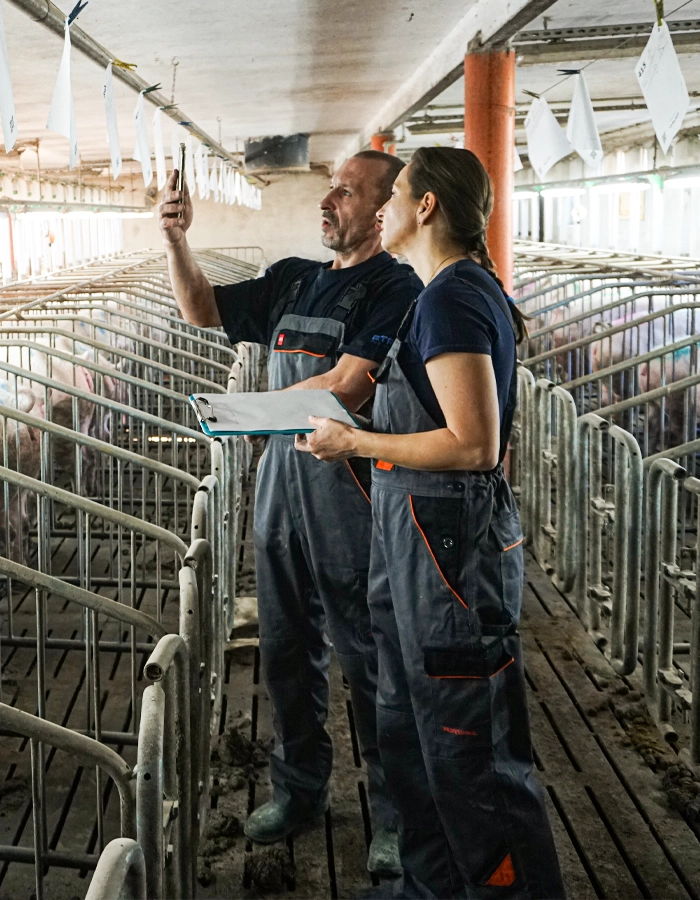

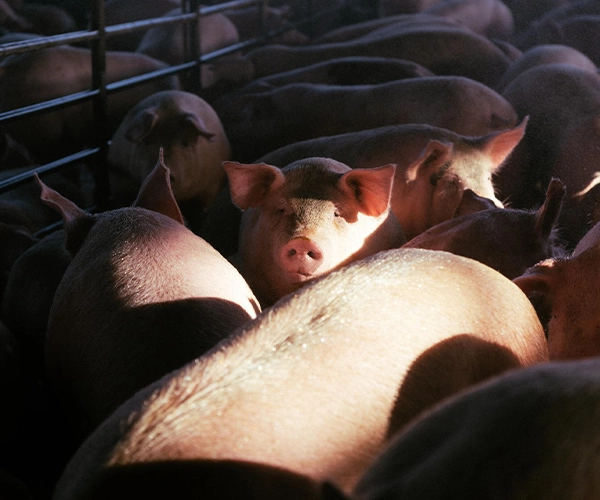
Pigs
Sow, piglet, and fattening pig farms – from small farms to large integrations

Poultry
Broiler, layer, and breeding flock houses in various housing systems

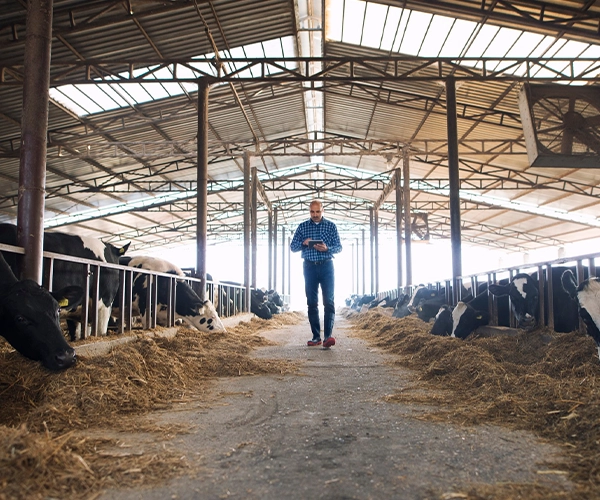
Cattle
Dairy cow and beef cattle barns, including free-stall systems


Consultation and data collection
A brief online conversation and gathering basic information about the farm.

Audit or analysis of documentation
Assessment of biosecurity on site or based on submitted materials.

Developing a plan and map
Preparation of a biosafety plan and biosecurity map.

Discussion and implementation
Step-by-step transition, staff training, and implementation support.

You reduce the risk of introducing diseases and minimize their potential effects.
A well-designed Plan helps to close the most important routes of pathogen introduction into the herd before the first symptoms appear. In practice, this means fewer outbreaks, less frequent production declines, and greater economic security for the farm.
You receive clear procedures and solutions that can be implemented immediately.
Every employee knows exactly what to do in typical situations and how to respond when a threat arises. Chaos disappears and is replaced by simple action plans that are easy to control and enforce.
You gain compliance with current regulations, which facilitates inspections and eliminates the risk of penalties.
The plan is prepared based on applicable legal requirements, allowing you to approach inspections with greater peace of mind. Instead of reacting nervously to an announced inspection, you can present consistent documentation and an organized biosecurity system.
You improve production efficiency
Because well-implemented biosecurity means lower mortality, better growth rates, and lower treatment costs. A healthier herd means fewer medical interventions, fewer losses, and more predictable production results. This, in turn, translates into better financial results and greater stability for the entire farm.
You have the support of experts who know what actions will bring measurable results in practice.
You benefit from the experience of many farms of various sizes, instead of learning from your own mistakes. This allows you to implement solutions that actually work in the field, rather than just looking good on paper.